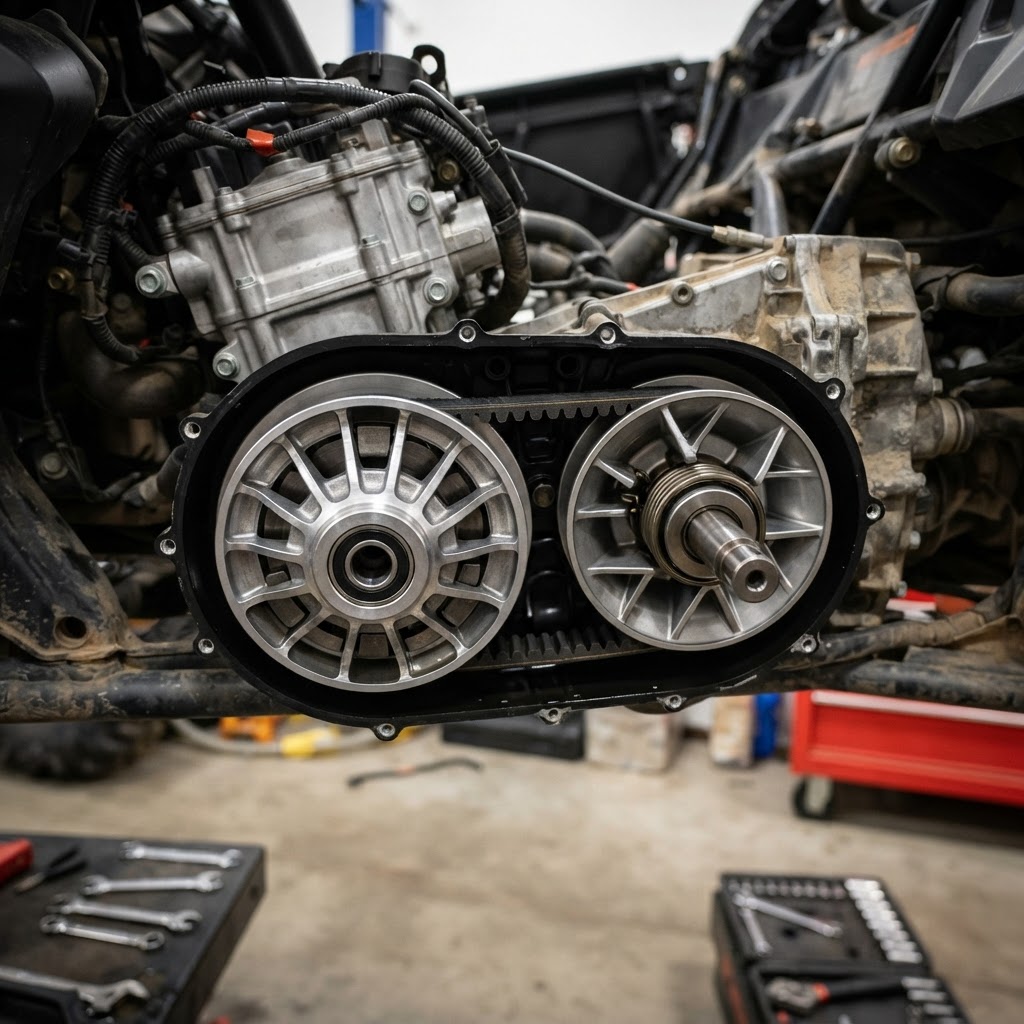
Learn essential UTV clutch maintenance steps to prevent power loss and costly repairs. Keep your side-by-side running smooth with our expert guide.
Maintaining your UTV clutch system is the most effective way to ensure consistent power delivery and avoid being stranded on the trail. UTV clutch maintenance involves regular inspection, cleaning, and component assessment to prevent heat buildup and premature belt failure. By keeping your primary and secondary clutches free of debris and monitoring for wear, you can significantly extend the life of your drivetrain and maintain optimal acceleration.
Why Clutch Maintenance Matters
Most modern UTVs utilize a Continuously Variable Transmission (CVT) that relies on a belt running between two clutches. Because this system is friction-based, it generates significant heat. Dust, mud, and water intrusion can accelerate wear on internal components like rollers, weights, and bushings. If you ignore these signs, a simple cleaning job can quickly escalate into a full clutch rebuild or replacement. For those looking to upgrade their performance, check out our parts-categories to find the right components for your specific machine.
Signs Your Clutch Needs Attention
Recognizing the early warning signs of clutch fatigue can save you thousands in repair costs. If you notice any of the following, it is time to pull the cover and inspect your system:
- Slipping or Delayed Acceleration: If your engine RPMs climb but your ground speed does not, your belt is likely slipping on glazed or dirty sheaves.
- Burnt Rubber Smell: This is a primary indicator of excessive heat and belt friction.
- Unusual Noises: Squealing, clunking, or grinding sounds often point to worn bearings or damaged rollers.
- Sluggish Response: If the machine feels slow to return to power after deceleration, the secondary clutch may be binding.
Essential Clutch Inspection Checklist
Perform these checks every 500 to 1,000 miles, or more frequently if you ride in extreme conditions like deep mud or sand. Always consult your owner's manual for model-specific torque specs.
| Component | What to Look For | Action | | :--- | :--- | :--- | | Drive Belt | Fraying, cracks, or glazing | Replace if damaged | | Clutch Sheaves | Grooves, divots, or debris | Clean or machine | | Rollers | Flat spots or excessive play | Replace if worn | | Weights | Uneven wear or sticking | Clean or replace | | Bushings | Loose fit or rattling | Replace immediately |
Professional Cleaning and Service Steps
- Access the Housing: Remove the CVT cover to expose the clutches. Use compressed air to blow out dust and old belt debris.
- Clean the Sheaves: Use a lint-free cloth and a non-residue cleaner to wipe down the clutch faces. Any oil or dirt here will cause the belt to slip.
- Inspect Internal Components: Check the primary and secondary clutches for signs of heat damage. If you find deep grooves or cracked parts, visit our shop to discuss professional repair options.
- Check Alignment: Ensure your clutches are properly aligned. Misalignment causes the belt to ride diagonally, leading to rapid wear.
When to Seek Professional Help
While basic cleaning is a great DIY task, internal clutch work requires specialized pullers and precision measurement tools. If you notice excessive vibration or if your machine has suffered a catastrophic belt failure, it is best to have a technician inspect the spider assembly and internal springs. Our team has extensive experience with all major brands and can ensure your setup is tuned for your specific riding style. Whether you are a trail rider or a mud enthusiast, proper maintenance ensures your UTV is ready for the next adventure.
Conclusion
Consistent UTV clutch maintenance is the secret to a reliable machine. By keeping your CVT system clean and inspecting wear items regularly, you protect your investment and ensure peak performance on every ride. Don't wait for a breakdown; stay proactive with your service schedule to keep your side-by-side performing at its best.
How often should I clean my UTV clutch?
For general trail riding, inspect and clean your clutch every 500 to 1,000 miles. If you frequently ride in mud, sand, or deep water, you should perform these checks more often, as debris and moisture significantly accelerate wear on internal components.
Can I use automotive oil in my UTV clutch?
No. Many UTVs use a wet clutch system that shares oil with the engine. Using standard automotive oil with friction modifiers can cause the clutch to slip. Always use a JASO MA-rated oil specifically designed for powersports applications.
What causes a UTV belt to smell like burning rubber?
A burning smell is usually caused by belt slippage, which generates intense heat. This often happens when the belt is worn, the clutch sheaves are dirty, or you are operating in high gear during low-speed, high-load situations like rock crawling or towing.
Is a clutch rebuild necessary if my belt breaks?
Not always, but it is highly recommended. If your belt shredded, it likely left debris inside the clutch housing. You must thoroughly clean the system and inspect the sheaves for grooves or damage. If the clutch components are worn, a new belt will fail prematurely.