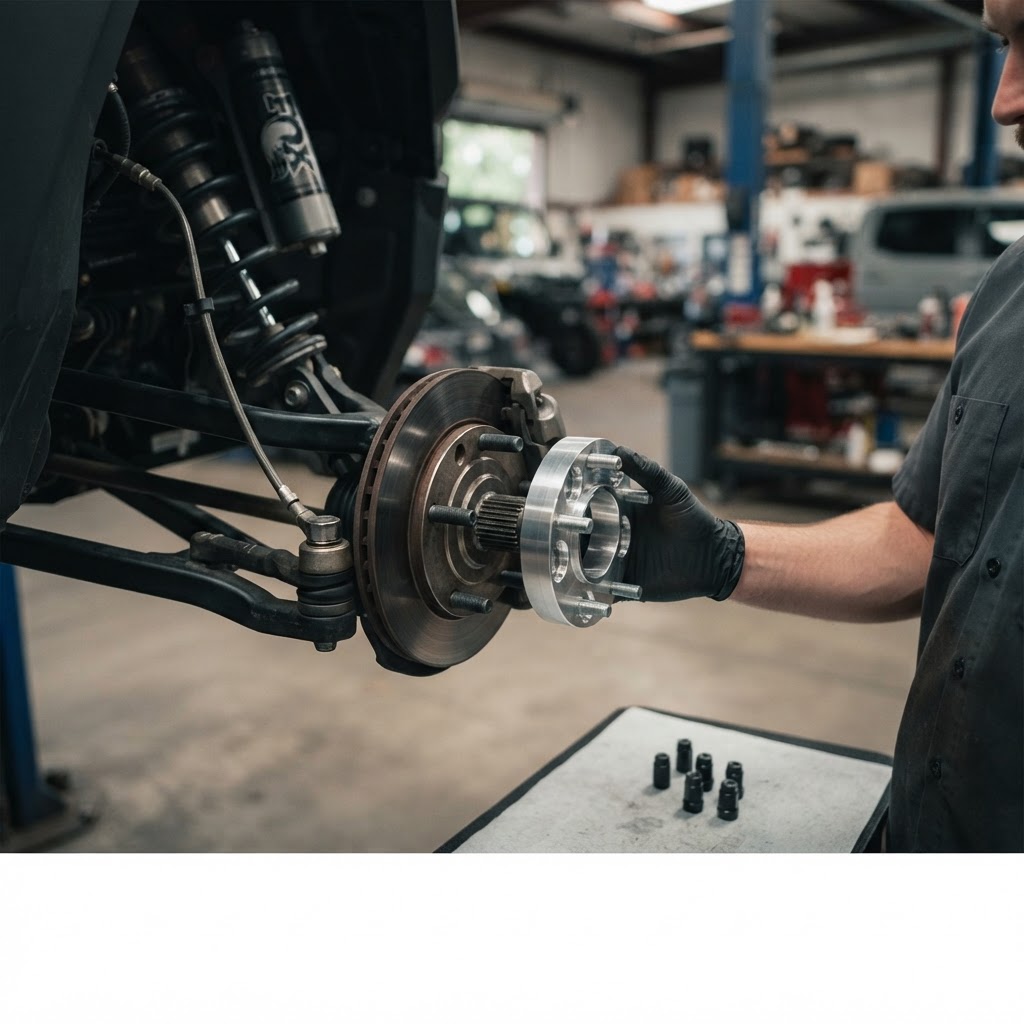
Learn how to safely install UTV wheel spacers to improve stability and clearance. Get expert tips on choosing the right fitment for your off-road machine.
Installing UTV wheel spacers is a popular way to increase your machine's track width, providing improved stability in corners and extra clearance for larger tires. To install them safely, you must ensure the spacer is hub-centric, clean the mounting surfaces thoroughly, apply medium-strength threadlocker to the studs, and torque all lug nuts to the manufacturer's exact specifications. While these components are effective, they do increase leverage on your wheel bearings, so regular inspection is essential for long-term reliability.
Understanding UTV Wheel Spacers
Wheel spacers are precision-engineered discs that bolt onto your existing wheel hubs, effectively pushing your wheels outward. This modification is often used to correct offset issues when installing aftermarket wheels or to provide a wider stance for technical trail riding.
Benefits of Widening Your Stance
- Enhanced Stability: A wider track width lowers the center of gravity relative to the tire contact patch, reducing body roll during aggressive cornering.
- Clearance: Moving the wheel outward can prevent tires from rubbing against suspension components or the frame during full steering lock.
- Aesthetics: Many owners prefer the aggressive look of a wider, flush-fit stance.
Safety and Maintenance Considerations
When manufactured to exact tolerances and installed correctly, high-quality spacers are safe for off-road use. However, they do change the geometry of your suspension. By moving the wheel further from the hub, you increase the load on your wheel bearings. If you notice play in your wheels or unusual grinding noises, it is time to visit our service shop for a professional inspection. Always prioritize high-quality, hub-centric spacers over cheap, universal options to ensure the load is properly supported by the hub rather than just the studs.
Step-by-Step Installation Guide
Before beginning, ensure you have the correct bolt pattern for your specific make and model. You can browse our parts categories to find compatible hardware for your machine.
- Preparation: Lift the UTV securely using a jack and jack stands. Remove the wheels.
- Surface Cleaning: Use a wire brush and contact cleaner to remove rust, dirt, and debris from the hub face. A flat surface is critical for a vibration-free ride.
- Test Fit: Slide the spacer onto the hub. It should sit flush. If your factory studs protrude past the face of the spacer, you must trim them to prevent the wheel from hitting the stud ends.
- Secure the Spacer: Apply blue threadlocker to the spacer's studs. Tighten the provided lug nuts in a star pattern to the torque spec recommended by the spacer manufacturer.
- Mount the Wheel: Reinstall your wheels and torque the factory lug nuts to the UTV manufacturer's specifications.
Choosing the Right Fitment
Not all spacers are created equal. When shopping for brands, look for CNC-machined aluminum construction. Hub-centric designs are superior because they feature a center bore that matches your hub perfectly, ensuring the wheel is perfectly centered. This eliminates the vibration often associated with lower-quality, lug-centric spacers.
Checklist for Success
- Verify your bolt pattern (e.g., 4/156 for many Polaris models).
- Check if your current wheels have recessed pockets on the back to clear factory studs.
- Always use a torque wrench; never rely on an impact gun for final tightening.
- Re-check torque after the first 50 miles of riding.
Conclusion
Adding UTV wheel spacers is a straightforward upgrade that can significantly improve your machine's handling and versatility. By following proper installation procedures and maintaining your wheel bearings, you can enjoy the benefits of a wider stance without compromising safety. If you are unsure about your specific fitment or need help with a custom build, our team is ready to assist you.
Frequently Asked Questions
Do wheel spacers cause premature bearing failure?
Yes, they can. By increasing the offset, you change the leverage applied to the wheel bearings. While high-quality spacers are safe, you should expect to monitor your bearings more closely and potentially replace them sooner than you would with a stock setup.
Are hub-centric spacers better than lug-centric?
Yes. Hub-centric spacers are designed to fit the hub diameter exactly, which transfers the weight of the vehicle directly to the hub. This design is much safer and significantly reduces the risk of vibration compared to lug-centric spacers, which rely solely on the studs for alignment.
Can I use wheel spacers for racing?
It depends on the racing series and the quality of the spacer. Many off-road racers use high-quality, billet aluminum spacers to widen their stance for stability. However, you must ensure they are inspected before every race and that they meet the specific safety regulations of your racing organization.
How often should I check my wheel spacer torque?
We recommend checking the torque on your wheel spacers every time you perform a major service or after any significant off-road trip. At a minimum, check them every 500 miles to ensure the hardware has not loosened due to vibration and trail impacts.